TB testing skyrockets thanks to Targeted Universal Testing
20 March 2025
World TB Day is commemorated on 24 March. This year, City Health reflects on the impact of Targeted Universal Testing (TUTT), and its commitment to ending tuberculosis through enhanced prevention, early detection and strengthened adherence support and working with other City departments, provincial government, civil society and our communities in addressing the social determinants of both TB and HIV.
‘TB is the world’s deadliest infectious disease with devastating health, social and economic consequences. The good news is that treatment and a cure is available, and the disease can be prevented. Treatment for multi drug resistant TB has also now been reduced to six months with the use of new and safer drugs. By working together, we can stop the spread and ensure healthier families and communities,’ said the City’s Mayoral Committee Member for Community Services and Health, Councillor Francine Higham.
This year’s theme is ‘Yes! We Can End TB: Commit, Invest, Deliver’ - a call for hope, urgency, and accountability.
At a global level, the World Health Organisation has identified a significant gap between the estimated number of people who fall ill with TB and the number of people newly diagnosed.
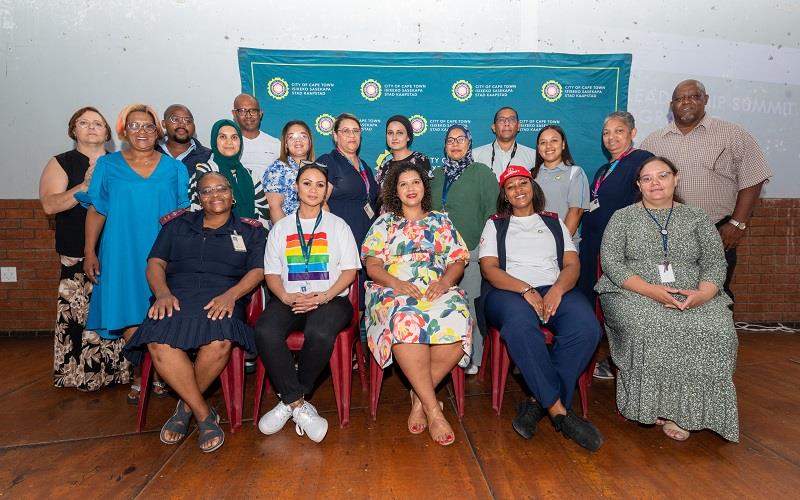
In the 2023 calendar year, 43 454 people were tested for TB at City Health facilities - 17% tested positive for the disease.
In 2024, the number of tests increased by 61% to 69 938 (with 12% testing positive), following the implementation of Targeted Universal Testing for TB (TUTT), which is the testing of asymptomatic vulnerable individuals in communities.
City Health has reaffirmed its commitment to ending tuberculosis and this year the focus is on key priorities that will drive progress in TB care.
These are:
Implementing new TB Preventative Therapy(TPT) Guidelines – ensuring that children under five who are in contact with persons living with TB, all household contacts and people living with HIV receive TPT to protect them from developing TB disease.
Finding the Missing Cases – Reaching vulnerable and high-risk groups through targeted TB testing (TUTT) to identify and treat undiagnosed TB cases
Strengthening TB adherence counselling and support – by expanding patient-centred counselling to improve treatment adherence, reduce stigma, and support those undergoing TB treatment. City Health has rolled out a new TB Adherence Counselling strategy aimed at retention at initiation of care.

‘Those who are diagnosed are able to improve the health of their families and neighbours. We honour the people who break through the stigma and have themselves tested for TB. The success of a TB programme depends on community leadership, civil society action, and cross-sector collaboration,’ said Councillor Higham.
Advice for dealing with TB
Help persons living with TB to complete the full treatment. The risk of someone passing on TB if on effective treatment is very low.
Keep all windows and doors open as fresh, moving air lowers the number of TB bacteria in the air and reduces the risk of transmission.
Undergo TB screening if you have had contact with someone with TB or if you develop symptoms like a cough, weight loss, fever and night sweats.
To stop the spread of TB, use a tissue or your elbow to cover your mouth and nose when coughing or sneezing, then dispose of the tissue properly.
Wash your hands frequently, especially after coughing or sneezing, and before eating.
Avoid close contact with others if you have active TB, and stay home from work or school until cleared by your healthcare provider.
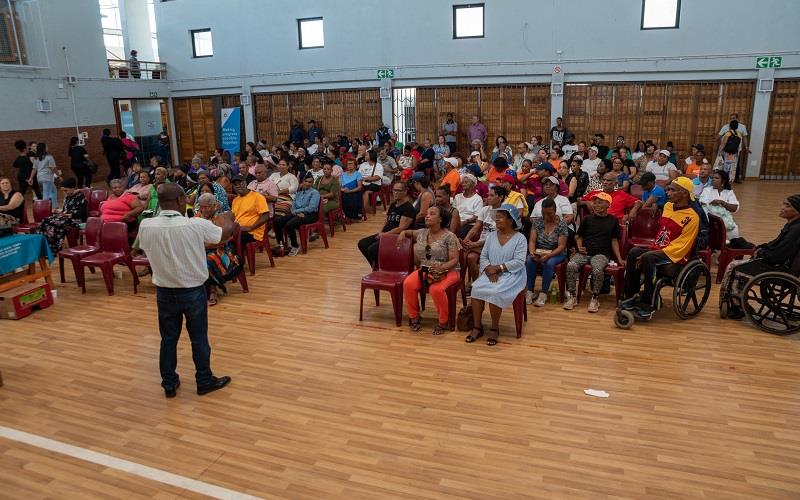
Earlier this week, more than 150 residents attended a TB awareness event hosted by City Health Area East in Eerste River (pictured).
End
Published by:
City of Cape Town, Media Office